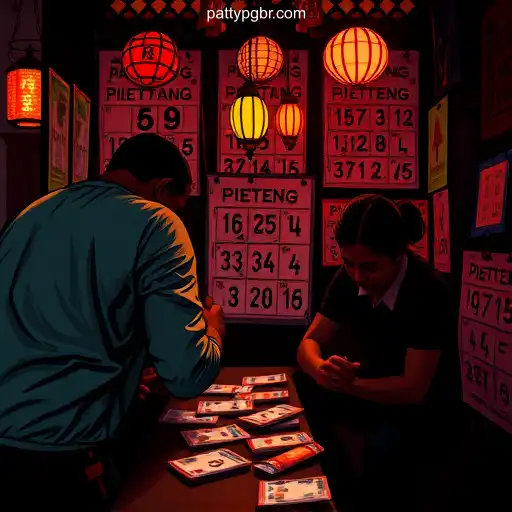
The Intricate World of Jueteng
Jueteng is a popular illegal numbers game in the Philippines, often referred to as a form of gambling that intertwines with local culture, politics, and society at large. This clandestine activity has been entrenched in Filipino life for decades, illustrating the complex relationship between legality, societal norms, and economic needs.
Understanding Jueteng
At its core, Jueteng is a numbers game similar to lottery systems in many parts of the world. However, the difference lies in its clandestine nature and the manner in which it operates. The game's name is derived from the Chinese words "hue" meaning flowery, and "teng" meaning to bet. The game involves participants selecting a combination of numbers, typically between 1 and 37. Bets are collected in small villages and towns, with results determined by a concealed draw.
Mechanics of the Game
The mechanics of Jueteng are deceptively simple. Participants choose two numbers, usually motivated by personal memories, dreams, or events significant to their lives. A bet, no matter how small, can be placed, and winners are those whose selected numbers are drawn as the winning combination. Despite its simplicity, the appeal lies in the potential for high returns on very small investments.
The Cultural and Social Fabric
Jueteng cannot be merely dismissed as illegal gambling; it is deeply woven into the cultural and social fabric of Philippine society. Its roots reach into the colonial past where similar betting games were played. Today, it remains prevalent due to both its accessibility and perceived fairness in otherwise economically disadvantaged areas. Often, it serves as a lifeline for many Filipinos struggling to financially support their families. Small towns have entire micro-economies revolving around this game, from bet collectors to number draw operators.
Political Entanglement
Jueteng thrives not just because of demand but also due to its protection from influential individuals in power. Allegations are frequently raised against local officials and law enforcement officers who are accused of either turning a blind eye or, worse, offering protection in exchange for bribes. This political entanglement makes it challenging to eradicate or regulate, pointing to a systemic issue of corruption that exceeds local interactions.
The Legal Landscape
Despite its pervasiveness, Jueteng remains illegal under Philippine law. The government has made numerous attempts to eradicate it, proposing stringent laws and creating various task forces. However, enforcement often falls short due to the deeply embedded networks shielding the operations. This regulatory failure highlights a governance gap in balancing cultural practices with law enforcement.
While efforts continue, Jueteng often resurfaces stronger, attributed to its adaptability and the lack of viable legal gambling alternatives that are as inclusive and widespread in rural areas.
The Ethical Quandary
The debate around Jueteng raises ethical questions on personal freedoms versus societal laws. For many, it offers hope in financial despair, challenging the notion that stringent regulation is the answer. However, its existence also perpetuates a cycle of poverty and corruption, leaving individuals vulnerable to exploitation.
The Influence of Online Gambling
In recent years, the rise of online gambling platforms such as "PATTYPG Brasil: O Melhor Cassino Online e Apostas Esportivas💸" presents a new dynamic in the gambling scene. These platforms offer legitimate avenues for gambling, providing a range of games and sports betting opportunities accessible to a global audience.
The influence of such platforms in areas dominated by Jueteng is yet to be fully understood. However, their potential impact is significant, particularly in urban settings where internet access is more widespread. The shift to online gambling, legalized and regulated, could possibly offer an alternative to illegal games, though challenges remain in ensuring equitable access and understanding cultural dynamics.
Future Outlook
The future of Jueteng remains uncertain, caught between efforts for modernization and deeply entrenched traditional practices. As the government continues its pursuit of regulation and eradication, the social and economic underpinnings driving its popularity must be addressed. Alternative, legal avenues such as regulated lotteries or incorporation of digital platforms could be considered, but these must be bolstered by education and transparency initiatives.
The challenge lies in finding a balance between respecting cultural traditions and enforcing legal structures that protect society from the adverse effects of unregulated gambling. Until such a balance is achieved, Jueteng will continue to thrive in the shadows, a testament to the enduring complexities of law, culture, and society.